
Shiprocket, India's largest logistics and ecommerce infrastructure platform, plans to deploy IPO capital toward an ambitious AI expansion that extends far beyond parcel tracking. As Rediff reported in August 2026, Shiprocket to use IPO funds for AI push to develop what the company describes as a broader merchant operating system. This represents a strategic pivot from pure logistics into full-stack merchant management, where voice and conversational AI become the primary interface between sellers and operations.
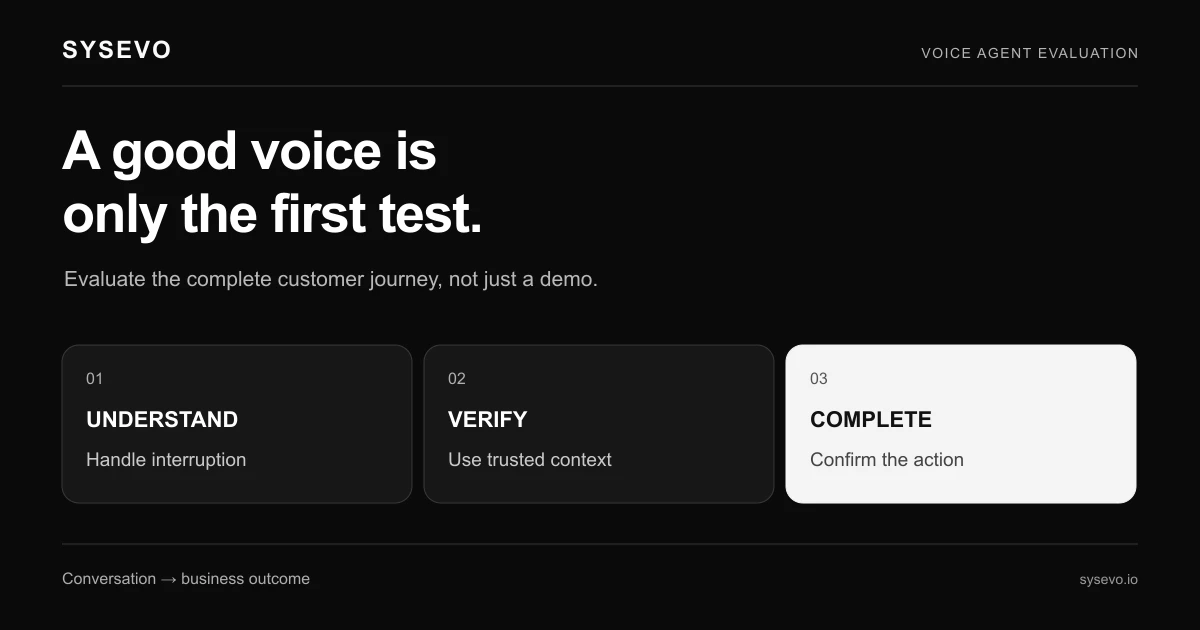
For business owners managing multiple sales channels, inventory systems, and fulfillment workflows, this shift signals a real change in how ecommerce platforms will work. Instead of navigating separate dashboards for orders, returns, and customer calls, merchants will interact with an AI system that understands context, remembers past issues, and makes operational decisions automatically. The foundation of this approach relies on voice AI and conversational systems working alongside structured business logic, not replacing it.
Why Ecommerce Platforms Are Moving Toward AI Operating Systems
The traditional ecommerce tech stack forces merchants to juggle 5 to 7 separate tools: inventory management, order fulfillment, customer support, returns processing, analytics, and seller communication. Each system has its own login, its own data silo, and its own learning curve. A merchant who receives a complaint about a delayed shipment must log into the customer support tool, find the order in the fulfillment system, check status in the logistics platform, and manually notify the inventory team if stock needs reordering. That workflow takes 10 to 15 minutes for a single issue.
An operating system approach consolidates these workflows under one conversational interface. A merchant or their operations team member can speak or type a request to an AI agent: "What happened to order 47293, and why is the customer still waiting?" The system queries the fulfillment database, checks the logistics carrier API, pulls the customer's contact history, and delivers a complete answer with recommended next steps. Industry research from logistics technology providers indicates that merchants who consolidated tool stacks reduced operational overhead by 25 to 35 percent, primarily through eliminating context-switching and manual data retrieval.
Shiprocket's scale makes this approach viable at the right cost point. The platform already handles over 2 million shipments monthly and operates a network of 5,000+ fulfillment partners across India. Building an AI layer on top of existing infrastructure is more efficient than startups building from zero, because the company already owns the data, the APIs, and the merchant relationships. The IPO funding allows investment in conversational AI, voice interfaces, and built-in CRM capabilities that turn operational queries into structured actions.
How Voice AI Fits Into A Merchant Operating System
Voice AI is not the entire operating system, but it is the fastest-growing input method. Merchants managing fulfillment centers, warehouse teams, and customer service staff need hands-free interaction when they are physically moving inventory or handling returns. A fulfillment manager checking stock levels while walking through a warehouse can ask the AI agent, "Which SKUs are below reorder threshold in Zone C?" The system returns prioritized results and automatically flags suppliers for contact. That query would take 8 to 12 minutes on a traditional dashboard, or 20 seconds over voice.
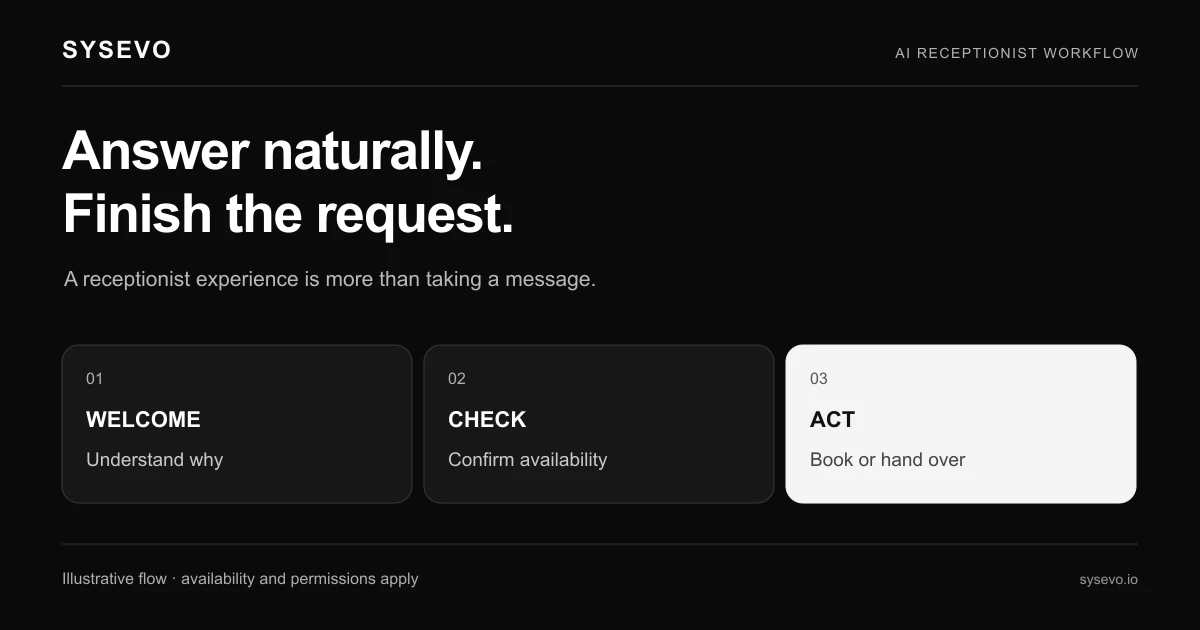
Conversational AI also handles inbound merchant calls from sellers asking about commission rates, policy exceptions, or onboarding status. Instead of routing these calls to human support staff, an AI voice agent picks up, captures the caller's intent, retrieves relevant merchant data, and escalates only cases that require human judgment. The system logs the interaction, updates the merchant profile, and schedules follow-up calls if needed. According to operator benchmarks, platforms deploying voice support agents for merchant-facing queries reduce average support ticket resolution time from 2 to 3 days to same-day handling for 70 percent of routine cases.
Integration with outbound campaigns is the third voice AI use case. When merchants miss onboarding steps or have high return rates, the operating system can initiate proactive outreach. An AI voice agent calls the merchant, explains the issue, walks them through solutions, and books a call with a human specialist if needed. This automation works only when the system has accurate merchant contact data and understands the specific business reason for outreach, which is why Shiprocket's existing merchant database and logistics insights are the differentiator.
Shiprocket to Use IPO Funds for AI Push Across Multiple Product Areas
The IPO capital is not going into one feature, but into three parallel development tracks. The first is enhanced order-to-fulfillment automation, where voice AI helps merchants manage exceptions: delays, damaged goods, customer disputes, and inventory mismatches. Instead of manual intervention, the system learns patterns from historical data, predicts issues before they happen, and suggests preventive actions. For example, if a fulfillment partner consistently mishandles fragile items, the AI recommends switching that SKU to a different facility, and flags the change for merchant approval.
The second track is seller experience, where voice and chat interfaces replace dashboard navigation for common tasks. Merchants ask the AI agent questions like "How much commission did I pay last month?" or "Which products have the highest return rate?" and receive instant, contextual answers. The operating system also proactively notifies sellers about policy updates, fee changes, and optimization opportunities. This reduces support load and improves merchant satisfaction, which directly impacts seller retention and platform growth.
The third track is payment and settlement operations, where voice AI expedites resolution of financial disputes and chargebacks. When a customer files a chargeback, the AI agent gathers evidence from order history, communication logs, and tracking data, and presents findings to both the merchant and the platform's dispute team. Faster dispute resolution reduces capital tied up in chargeback reserves and improves trust between Shiprocket and its seller base. Logistics companies report that automated dispute handling reduces average resolution time from 21 days to 5 to 7 days, a meaningful improvement for cash flow.
What Voice AI Cannot Do Yet, And Where Limitations Matter
Voice AI excels at structured queries with clear answers: "What is my shipping volume this month?" or "Show me orders from this seller." It fails when a merchant's question requires business judgment, negotiation, or access to information the system cannot retrieve. If a seller asks for an exception to commission rates because they are preparing for a major sale, the AI agent cannot make that decision. It can collect the request, summarize the context, and route it to the right human team member, but the negotiation itself requires human expertise and authority.
Accuracy is a second constraint. Voice AI systems misunderstand accents, background noise, or technical terminology used by logistics workers. If a fulfillment manager says "Reorder stock for SKU double-zero-four-seven" and the system hears "zero-zero-four-seven," the consequence is wrong product ordered. High-stakes operational queries require confirmation steps that slow down the interaction. Shiprocket will need to invest in accent-specific training and domain-specific language models, which adds development cost and time-to-market.
Privacy and data handling are the third limitation. A voice system that logs merchant conversations must comply with Indian data protection regulations and industry standards for financial data. If a merchant accidentally speaks their password or a customer's payment card number during a voice call, the system must either redact it automatically or ensure it is never stored. This adds complexity to implementation and requires ongoing compliance audits. Platforms moving into voice AI for business operations often underestimate the operational cost of privacy infrastructure, which can add 15 to 20 percent to development budgets.
Competitive Context And Why The Timing Matters
Shiprocket is not the only platform pursuing merchant operating system thinking. Shopify, WooCommerce, and regional competitors in Southeast Asia are investing in AI-powered seller dashboards and voice interfaces. However, Shiprocket's advantage lies in vertical integration: it owns fulfillment, logistics, and payment settlement, so its AI system has visibility into the entire merchant journey. Competitors must either build these integrations through APIs, which creates latency, or acquire fulfillment companies, which is capital-intensive.
The timing of this push matters because conversational AI infrastructure has reached a cost point where it is viable for platforms serving mid-market merchants. Two years ago, deploying a custom voice AI system required six months of development and £150,000 to £250,000 in engineering costs. Today, using foundational large language models and commercial voice platforms, a company like Shiprocket can launch a functional system in 10 to 12 weeks for a fraction of that cost. This cost reduction means Shiprocket can build, launch, and iterate faster than it could have historically, which increases the likelihood that the feature set actually solves merchant problems rather than adding unused complexity.
Market expansion is the final timing factor. As Rediff noted, Shiprocket to use IPO funds for AI push also reflects ambitions to expand beyond India into Southeast Asia and potentially the Middle East. Merchants in those regions have even less access to dedicated support staff, so voice AI becomes a necessity rather than a convenience. Building an operating system now positions Shiprocket to scale quickly into new markets without proportionally scaling its support headcount.
How Merchants Should Evaluate Operating System Approaches
If you are an ecommerce merchant considering a platform like Shiprocket with AI operating system features, focus on three evaluation criteria. First, does the AI system integrate with your existing tools, or does it require you to migrate your entire stack? A true operating system consolidates your data, but only if it connects to the platforms you already use. Ask the vendor for a specific roadmap of third-party integrations, not a generic promise to "open our APIs." If integration requires custom engineering on your side, the convenience benefit shrinks significantly.
Second, what happens when the AI system makes a mistake? Can you easily override or reverse an automated decision, or are you locked into whatever the system decided? A fulfillment center manager needs the ability to manually adjust recommendations when circumstances change: a key supplier goes down, a customer becomes high-priority for relationship reasons, or market conditions shift. The operating system must be a tool that augments human judgment, not one that removes humans from the loop for important decisions. Test the override workflow before you commit to the platform.
Third, what data does the platform collect about your merchants, customers, and operations, and who has access to it? Voice-based operating systems generate rich behavioral and conversational data. Some platforms use this data to improve their own product recommendations or to sell analytics to your competitors. Ensure you understand data retention policies, what insights the platform derives from your data, and whether you can audit or control access. This is not paranoia; it is basic data governance for businesses handling customer information.
What Comes After Operating Systems
Shiprocket's merchant operating system, once functional, will likely evolve toward autonomous decision-making. Instead of waiting for merchant approval, the system could automatically allocate inventory to warehouses based on demand patterns, suggest dynamic pricing, or negotiate rates with fulfillment partners within predefined parameters. This level of autonomy requires substantial trust and proof of performance, which is why it is a roadmap feature, not a launch feature. Industry experts estimate that 60 to 70 percent of merchants are willing to grant autonomous decision-making for routine, low-risk operations like inventory allocation or supplier notifications, but only after seeing 6 to 12 months of accurate recommendations.
For business owners, the lesson from Shiprocket's strategy is that voice AI and conversational systems are becoming standard infrastructure, not differentiators. Platforms that do not integrate these capabilities into their core operations will become harder to use relative to competitors who do. This does not mean voice AI is right for every workflow, but it does mean the vendors you rely on will increasingly assume it as a baseline feature. If you are evaluating a logistics, CRM, or operations platform, ask directly about voice and conversational AI roadmap, not to be trendy, but to understand whether the platform is evolving toward the operating system model or staying fragmented across multiple interfaces.
Frequently Asked Questions
What exactly is a merchant operating system, and how is it different from a typical ecommerce platform?
A merchant operating system consolidates order management, fulfillment, payments, customer support, and analytics under a single interface, often with voice and conversational AI as the primary input method. Traditional platforms require merchants to navigate separate dashboards for each function. An operating system reduces this context-switching and centralizes data, enabling faster decision-making and lower operational overhead. Shiprocket's move toward this model reflects broader industry shift from point solutions to integrated stacks.
Is voice AI suitable for all types of merchant queries, or only routine ones?
Voice AI works well for structured, factual queries: "What is my order volume?" or "Show me returns from this week." It struggles with open-ended questions requiring judgment or negotiation. High-stakes decisions still need human involvement, which is why effective operating systems use AI to filter and prioritize issues, then escalate complex cases to specialists. Voice input is fast and convenient, but it is not a replacement for human decision-making in sensitive areas.
How does Shiprocket's existing fulfillment network give it an advantage in building an operating system?
Shiprocket already owns fulfillment facilities, logistics partnerships, and payment settlement infrastructure. This means its AI system has access to complete operational data across the entire merchant journey. Competitors without this vertical integration must build the same visibility through APIs, which adds latency and complexity. Owning the infrastructure allows Shiprocket to move faster and give merchants more actionable insights from their data.
What are the privacy risks of using voice-based operating systems for business operations?
Voice systems log conversations, which can contain sensitive data: passwords, payment card numbers, or customer information. The platform must redact sensitive data, ensure secure storage, and comply with data protection regulations. Before adopting a voice operating system, verify that the provider has explicit policies for sensitive data handling and that you can audit compliance. Privacy infrastructure adds cost and complexity to development.
Should I migrate my entire ecommerce stack to Shiprocket for the operating system benefits, or wait until the features mature?
If your current platform is functional and stable, migration carries integration risk and operational disruption costs. However, if you are evaluating a new platform anyway, ask the vendor about AI operating system roadmap and timeline. Start by testing specific AI features (voice queries, automated recommendations) in a limited capacity before committing to full migration. This reduces risk while letting you evaluate whether the operating system approach actually improves your operations.
Take The Next Step
Voice AI and conversational systems are reshaping how merchants manage their operations. If you are evaluating platform infrastructure and want to understand how voice AI fits into your workflow, or you need a system with caller memory and integrated business logic, book a call with our team to discuss how these technologies work in practice. We help businesses design voice and conversational AI systems that actually reduce operational overhead, not add complexity.