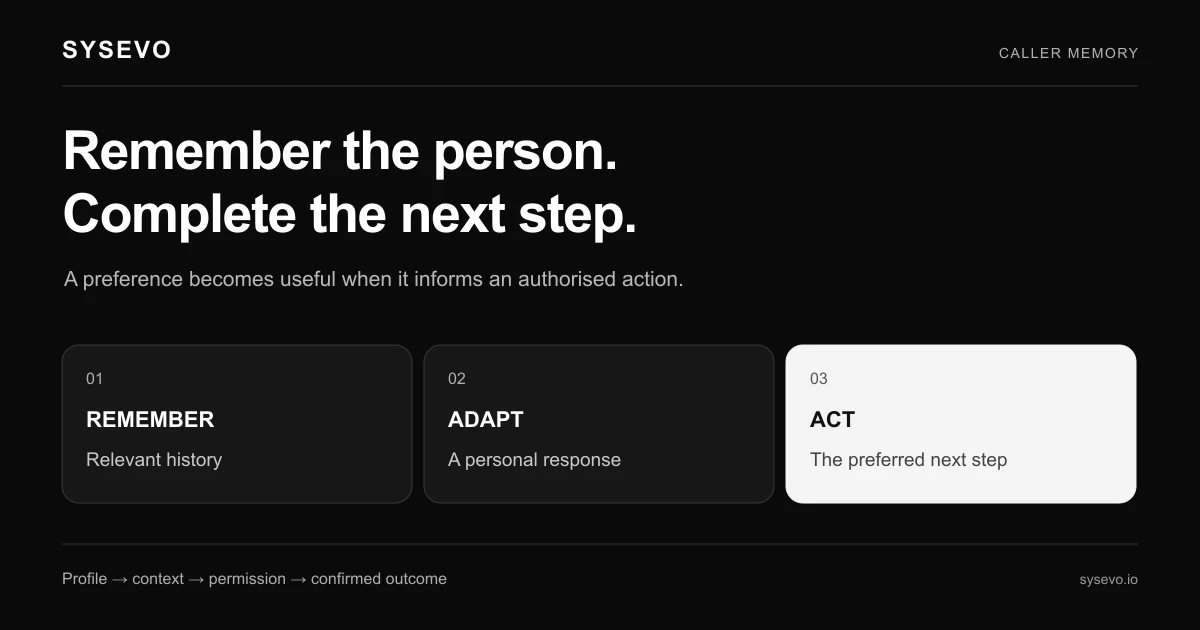

Understanding AI Memory Systems
AI memory systems are much more than just data storage solutions; they are intelligent architectures designed to enhance interactions between businesses and their customers. By capturing essential information, these systems ensure that customer experiences are not only consistent but also personalized. Industry benchmarks suggest that businesses that use AI to automate customer engagement can reduce operational costs by as much as 30%, showcasing the transformative potential of these technologies.
Integrating AI memory into customer service platforms allows agents to access comprehensive customer histories, preferences, and prior interactions at a moment’s notice. For instance, when a customer contacts support about a previous issue, agents equipped with AI recall capabilities can provide immediate assistance, thus elevating the interaction quality. This seamless experience leads to higher customer satisfaction rates; CSAT scores improved by nearly 20% among businesses employing AI-enhanced customer service.
As digital communication accelerates, the demand for efficient AI memory systems in businesses grows. AI memory architecture allows for storing and quickly retrieving vital customer data, transforming the face of customer service. You can learn more about how these systems work and their robust capabilities at Sysevo's memory solutions.
The Architecture Behind AI Memory Systems
The backbone of effective AI memory systems lies in their architecture. This architecture encompasses data management techniques that prioritize organization and retrieval speed. A well-structured agent memory architecture can significantly reduce the time agents spend searching for information, improving average handling times, which, according to a report by the Call Center Management Association, can boost productivity by around 15%.
There are different elements involved in building these architectures, including databases optimized for high-speed access and algorithms designed to prioritize relevant information for each interaction. Implementing these features ensures that agents have immediate access to the right data, greatly enhancing the customer context AI during conversations.
Moreover, the adaptability of AI memory systems allows businesses to continuously improve customer interactions. As they gather more data, these systems learn to predict customer needs and provide proactive support, positioning companies ahead in customer service innovation. To understand how such adaptive solutions can strengthen your business processes, explore Sysevo's offerings.
AI Recall: The Game Changer for Customer Engagement
AI recall is a pivotal aspect of AI memory systems that facilitates the retrieval of information when needed. The effective implementation of AI recall can significantly improve customer engagement by ensuring that agents are always prepared with relevant data. This reflects in KPIs, as organizations leveraging AI recall have reported a staggering 25% increase in issue resolution rates on the first contact.
In practical terms, consider a telecommunications company utilizing AI recall. When a customer reports a problem, the AI-driven system retrieves their entire service history, enabling the support agent to resolve issues promptly, eliminating the need for customers to repeat themselves. This illustrates not just efficiency, but empathy, a vital component for fostering customer loyalty.
AI recall is not limited to traditional text-based interactions; it extends into voice technology, streamlining processes during calls. This amalgamation is carving new pathways for customer interactions that feel more seamless than ever before. Discover how AI voice agents from Sysevo can elevate your interactions through enhanced memory and recall capabilities.
Using AI Memory Systems to Personalize Experiences
Customization is a cornerstone of exceptional customer experiences, and AI memory systems are at the forefront of this trend. By utilizing customer data effectively, businesses can tailor communications and offers that resonate with individual needs and preferences. According to Salesforce, 70% of consumers expect companies to understand their needs and expectations, making personalization vital.
As customers interact with a business, AI systems learn which products or services they show interest in, enabling future interactions to be tailored accordingly. For example, an e-commerce platform powered by AI memory may suggest items to a returning user based on previous interactions, enhancing the shopping experience. This intelligent approach can lead to increased sales, with personalization tactics reportedly driving a 10-30% increase in return on investment for businesses.
Moreover, employing customer context AI goes beyond just selling; it involves cultivating relationships through increasingly refined personalization. Companies leveraging these insights can respond proactively to customer needs, fostering a deeper emotional bond that is pivotal for long-term loyalty. For insights on how to maximize your CRM capabilities for personalization, visit Sysevo’s built-in CRM.
Real-World Applications of AI Memory Systems
Various industries are reaping the benefits of AI memory systems to enhance customer experience. For instance, the healthcare sector uses AI memory to track patient data and history, leading to more accurate diagnoses and personalized treatment plans. Industry research suggests that AI-driven applications could improve patient outcomes by up to 25%.
Similarly, in the finance industry, AI memory systems are used to provide tailored financial advice by analyzing customer portfolios and transaction histories. Institutions employing these technologies have seen a significant uptick in client satisfaction, as 71% of banking customers indicate they value personalized services.
Within retail, brands are enhancing customer journeys by employing AI memory systems that learn shopper behaviors. From suggestions based on past purchases to tailored promotions, the benefits are evident. In fact, retailers utilizing AI for personalization report that they can reduce their marketing costs by up to 30%. Integrating AI memory systems into your business strategy can pave the way for data-driven decisions and improved customer relationships.
The Future of Customer Experience with AI Memory Systems
The potential for AI memory systems to shape the future of customer service is immense. With increasing reliance on data, companies that adopt AI memory technologies can leverage rich customer insights to reimagine engagement strategies. By 2025, it is predicted that the global AI market will reach $190 billion, with significant contributions from sectors focused on improving customer experience.
The next frontier in AI memory systems will likely involve deeper integration with other advanced technologies, such as machine learning and IoT devices. Such amalgamations will allow for even greater responsiveness to customer needs, further personalizing interactions. For example, a smart home device powered by AI memory could recognize a user’s preferences and automatically adjust settings based on learned behaviors.
As we move towards a future characterized by personalized and efficient customer service, embracing AI memory systems will be crucial. Businesses prepared to innovate can stand out in emotional connections and loyalty. To learn how these innovations can fit into your strategies, visit Sysevo's plans for tailored solutions.
Challenges and Considerations in Implementing AI Memory Systems
While the advantages of AI memory systems are significant, it is essential to consider potential challenges when implementing these technologies. One key concern revolves around data privacy and security. With increasing scrutiny on how organizations handle customer data, businesses must establish robust protections to maintain trust. A survey by PWC revealed that 79% of consumers are concerned about how their data is being used.
Another challenge involves the integration of AI memory systems within existing infrastructures. Companies may experience hurdles in aligning new technology with current systems, necessitating investment in training and potential system upgrades. Balancing the cost of integration with the anticipated gains is imperative for a successful transition.
Furthermore, not all customer interactions can be perfectly predicted, which can lead to gaps in service. Continued fine-tuning and a commitment to adaptive learning are essential to bridge these gaps. Fostering a culture of innovation and agility will allow organizations to maximize the potential of their AI memory systems.
Conclusion
Ultimately, AI memory systems are revolutionizing the landscape of customer experience by enhancing personalization and efficiency. As businesses increasingly embrace this technology, those that invest early will position themselves as leaders in customer satisfaction. To capitalize on the potential of AI memory systems and seamlessly navigate the evolving digital landscape, explore the custom solutions offered by Sysevo that tailor to your business needs.
Frequently Asked Questions
What are AI memory systems?
AI memory systems are advanced technologies that capture and retrieve customer data, enhancing interactions by providing agents with relevant information during customer engagements.
How do AI memory systems improve customer experience?
They enable personalized service, faster response times, and a deeper understanding of customer needs, thus leading to higher satisfaction rates.
What industries benefit most from AI memory systems?
Industries such as healthcare, finance, and retail significantly benefit from AI memory systems, driving personalization and improving overall service quality.
What challenges do companies face when implementing AI memory systems?
Key challenges include data privacy concerns, integration with existing systems, and the unpredictable nature of customer interactions, which may lead to service gaps.
How can companies get started with AI memory systems?
Companies can start by exploring tailored solutions for AI memory systems, assessing their needs, and consulting with providers like Sysevo for effective implementation strategies.