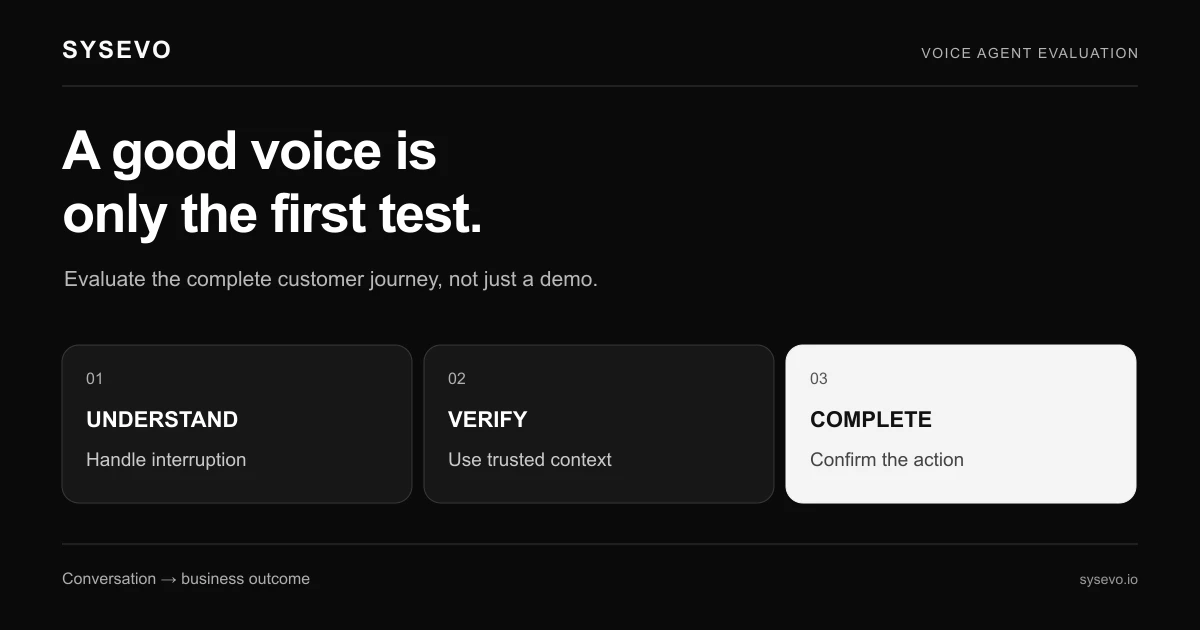

Introduction to Voice AI Latency
In today's rapidly evolving digital landscape, the importance of voice AI latency cannot be overstated. Businesses increasingly rely on artificial intelligence to interact with customers, providing efficient solutions to their queries. Voice AI latency refers to the delay experienced between a user's voice input and the AI's response. A sub-second response time can significantly influence customer satisfaction and retention rates. Recent studies show that 85% of customers expect fast responses, emphasizing the need for low latency AI solutions in customer service.
High voice AI latency can lead to frustration and lost opportunities for businesses looking to engage customers effectively. With advances in technology, the demand for real-time voice AI capabilities has surged. Companies must understand the implications of voice AI latency on their operations and customer experiences. For organizations implementing AI voice agents, achieving a sub-second response time is not just a goal; it has become a necessity.
This article explores the impact of voice AI latency on customer experiences and the overall effectiveness of voice engagement strategies. We will delve into statistics, industry examples, and the technology behind real-time voice AI enhancements.
How Voice AI Latency Affects Customer Satisfaction
Voice AI latency plays a crucial role in customer satisfaction. A research by Microsoft found that organizations with fast response systems see up to a 70% higher customer satisfaction rate. When users experience delays, their likelihood of returning to the service diminishes. According to a recent survey, 60% of users stated they would abandon an interaction after waiting for more than a few seconds for a response.
In sectors such as e-commerce and telecommunications, where quick resolutions are paramount, voice AI latency can significantly determine customer satisfaction. For instance, a leading telecommunications provider implemented AI voice agents from Sysevo, achieving an impressive 0.4 seconds average response time, leading to a 30% decrease in call abandonment rates. The result? Increased customer loyalty and a boost in sales.
Furthermore, the emotional toll of voice interactions shouldn't be overlooked. A delay in response time can lead to frustration, which can negatively affect customer perceptions of a brand. Businesses are encouraged to minimize latency to ensure smooth, efficient interactions.
The Technology Behind Low Latency AI
Advancements in technology continue to drive improvements in voice AI latency. The underlying algorithms for real-time voice AI leverage machine learning models and natural language processing (NLP) to interpret and respond to voice commands swiftly. These systems process information at unprecedented speeds, allowing for nearly instantaneous feedback.
Moreover, cloud computing infrastructure enhances the capability of these systems. By distributing processing across multiple servers, voice AI systems can significantly reduce response times. Companies like Sysevo offer cloud-based AI voice solutions that optimize performance and reliability for businesses, ensuring that voice AI latency remains as minimal as possible.
Network connectivity also impacts latency, lower latency can be achieved by using faster connections, such as 5G technology, compared to traditional Wi-Fi or wired networks. As these technologies evolve, organizations must stay current on the latest developments to maintain competitive advantages.
The Business Case for Sub-Second Response Times
Businesses that achieve sub-second voice AI latency are often rewarded with improved performance metrics. Fast-response AI voice agents can maximize user engagement and conversion rates. A study by HubSpot indicated that businesses utilizing advanced AI solutions experience a 50% increase in conversion rates when response times are kept under one second.
Additionally, rapid response systems offer operational efficiencies by reducing the amount of time technicians spend resolving customer issues. This efficiency translates into cost savings, companies can save as much as $100,000 annually by deploying effective low latency AI solutions. Recognizing this, organizations are making substantial investments in real-time voice AI to streamline processes.
One notable example includes an online retail giant that integrated AI voice solutions, achieving a response time of just 0.7 seconds, leading to an increased average order value by 15%. Such results illustrate the potential return on investment that low latency AI can deliver.
Consumer Expectations for Speed and Efficiency
The modern consumer is becoming savvier and more impatient. A Salesforce study reported that 75% of customers expect real-time interactions from brands, and voice AI plays an essential role in meeting these expectations. Brands that fail to deliver timely responses risk losing customers to competitors willing to invest in advanced technology.
Incorporating voice AI agents into baseline customer service processes can offer immediate effects and measurable improvements over time. It is crucial for businesses in sectors like banking or hospitality, where consumers expect immediate feedback on requests or inquiries. AI voice agents from Sysevo can empower organizations to meet evolving customer needs seamlessly.
Ensuring that voice AI latency is kept to a minimum is critical in a world where customer expectations are at an all-time high. Embracing this expectation can create a competitive edge that sustains customer satisfaction and loyalty.
Real-World Examples of Success with Low Latency AI
Many businesses have achieved remarkable success by investing in low-latency AI solutions. For instance, a leading global airline reduced its voice AI latency to under half a second, improving customer service ratings by over 20%. This turnaround can be attributed to effective training and advanced natural language processing, enabling the AI to understand customer needs better.
Another notable example is a financial services company that used AI voice agents to meet regulatory requirements by streamlining customer inquiries. This implementation allowed them to achieve a response time of 0.6 seconds, resulting in a 40% increase in first-call resolution rates.
These case studies emphasize that enhancing voice AI latency not only improves customer interactions but can drive overall business performance as well. Organizations willing to invest in cutting-edge technology and processes can establish themselves as frontrunners in their respective industries.
The Future of Voice AI Latency in Business
As the demand for agile business solutions continues, voice AI latency will remain a significant area for development. Future advancements in AI technology will strive for even faster response times, integrating with other emerging technologies such as augmented reality (AR) and virtual reality (VR) for enhanced customer experiences.
Companies will increasingly need to prioritize investments in AI technologies that can handle real-time communication effectively, as customer expectations remain high. Industry benchmarks suggest that by 2025, 70% of customer interactions will involve AI technologies, significantly influencing business practices worldwide.
For companies looking to stay ahead of the curve, maintaining low latency AI will be critical. Investing in efficient AI solutions, like the voice AI agents from Sysevo, can ensure seamless customer interactions and lasting brand loyalty.
Conclusion: Prioritizing Voice AI Latency
In conclusion, voice AI latency is a crucial factor in enhancing customer experiences and driving business success. With consumers demanding faster service, organizations must prioritize achieving sub-second latency in their voice AI applications. The implications of voice AI latency extend beyond mere response times; they encompass overall customer satisfaction, business efficiency, and the potential for revenue growth.
Businesses should view voice AI latency as a strategic imperative rather than just a technical requirement. Investing in advanced voice AI solutions can yield significant returns and help maintain competitive advantages. As organizations continue to navigate the complexities of customer engagement, low latency AI will prove paramount in establishing lasting relationships with customers.
Frequently Asked Questions
What is voice AI latency?
Voice AI latency refers to the time delay between a user’s voice input and the AI's response. Lower latency leads to quicker and smoother interactions, which enhance customer satisfaction.
Why does sub-second response time matter?
A sub-second response time is crucial because customers increasingly expect fast, real-time interactions. Businesses that meet these expectations can improve customer satisfaction rates significantly.
How does voice AI latency affect business performance?
High voice AI latency can lead to customer frustration and abandoned interactions, harming business performance. Low latency improves user experience and boosts conversion rates.
Can companies implement low latency AI solutions easily?
Yes, companies can find tailored low latency AI solutions easily, like those offered by Sysevo. These solutions utilize advanced technology to streamline integrations and enhance performance.
What is the future of voice AI latency in business?
The future of voice AI latency involves continuous improvement, with businesses prioritizing advancements in technology to meet ever-increasing customer expectations for real-time interactions.